
Home » Teaching Earth Science » Earthquake Lesson Plans
Earthquake Classroom Activities and Lesson Plans
 |
Small Grants for Science Teachers A two-page proposal might win $200 to $600 in science supplies for your students. Thousands of teachers win these grants every year. DonorsChoose.org. |
 |
Free Graph Paper and Free Maps Your students can get free printable graph paper, printable maps, printable calendars and more at WaterproofPaper.com, a website affiliated with Geology.com. |
 |
National Science Teachers Association An organization providing resources, professional development, education conferences, and much more! |
 |
Associations for Science Teachers NSTA's list of science teaching societies in U.S. states and Canadian provinces. Find professional development near you. |
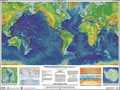 |
This Dynamic Planet The Smithsonian Institute, The United States Geological Survey, and the U.S. Naval Research Laboratory have produced one of the best resources for teaching about earthquakes, volcanoes and plate tectonics. It is a map titled "This Dynamic Planet" - available in pdf format or as a large-format wall map. It can be used for a wide variety of teaching activities with elementary, secondary, and university students. A teaching companion booklet is also available. |
ADVERTISEMENT
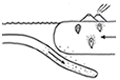 |
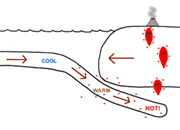
Teaching Plate Tectonics A good lesson plan that demonstrates plate tectonics through easy-to-draw illustrations. This plate tectonics lesson plan can easily be adapted for elementary, secondary, middle school, and university students. |
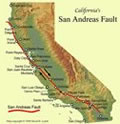 |
What is the San Andreas Fault? The San Andreas Fault is the sliding boundary between the Pacific Plate and the North American Plate. It slices California in two from Cape Mendocino to the Mexican border. San Diego, Los Angeles and Big Sur are on the Pacific Plate. San Francisco, Sacramento and the Sierra Nevada are on the North American Plate. |
 |
Earthquake Education and Resources Here is a lesson plan that gives a good demonstration about earthquakes. This classroom activity deals with different aspects about faults. This project is appropriate for elementary, secondary, middle school, and university level students with minor modifications. |
 |
Education World This earthquake lesson plan involves classroom activities that help students identify epicenters and magnitude readings. This lesson plan is useful for elementary, secondary, middle school, and university students. |
 |
You Don't Need a Seismograph to Study Earthquakes This Lesson plan allows students to simulate S & P waves through classroom activities. This demonstration is a helpful strategy to educate elementary, secondary, middle school, and university students. |
|
Small Grants for Science Teachers A two-page proposal might win $200 to $600 in science supplies for your students. Thousands of teachers win these grants every year. DonorsChoose.org. |
|
Free Graph Paper and Free Maps Your students can get free printable graph paper, printable maps, printable calendars and more at WaterproofPaper.com, a website affiliated with Geology.com. |
|
National Science Teachers Association An organization providing resources, professional development, education conferences, and much more! |
|
Associations for Science Teachers NSTA's list of science teaching societies in U.S. states and Canadian provinces. Find professional development near you. |
| More Earthquakes |
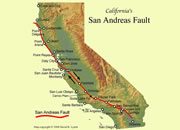 |
What is the San Andreas Fault? |
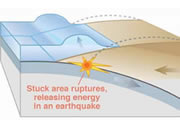 |
What Causes a Tsunami? |
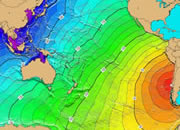 |
Largest Earthquake |
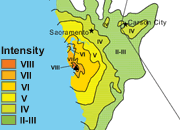 |
California Earthquake Maps |
 |
Teaching Plate Tectonics |
 |
Earthquake Lessons |
 |
Gifts That Rock |
 |
The Japan Earthquake |
Find Other Topics on Geology.com:
|
| ||

|

| ||
|
| ||

|
|