Birthstones
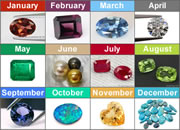 Birthstones
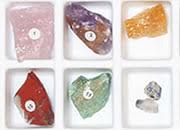
 are gems assigned to the month of a person*s birth. They are popular gifts in the U.S.
All About Diamonds
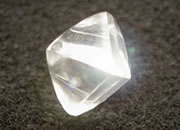 Diamond
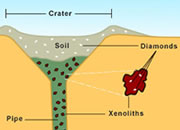
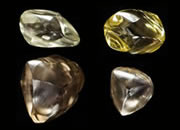
 A collection of photos, articles, facts, maps and graphs about diamonds.
Blue Gemstones
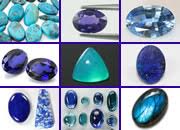 Blue Gemstones
 - Most people shopping for a colored stone are looking for something blue.
100+ Gems
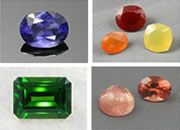 100+ Gems
 - Photos of over 100 beautiful gems ranging from the popular to the obscure.
Green Gemstones
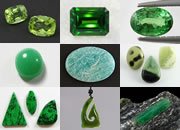 Green Gemstones
 - emerald, peridot, jade, tsavorite, chrome diopside, chrysoprase, more.
American Gemstones
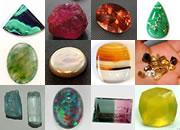 Mined in America
 - Small mines in the United States produce a diversity of beautiful gemstones.
Ruby and Sapphire
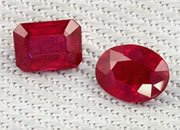 Ruby and Sapphire
 are the 2nd and 3rd most popular colored stones in the United States.
Tumbled Stones
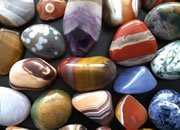 Tumbled Stones
 are rocks that have been rounded, smoothed and polished in a rock tumbler.
Ethiopian Opal
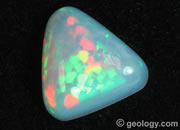 Ethiopian Opal
 - The new opal heavyweight that might give Australia a run.
Amethyst
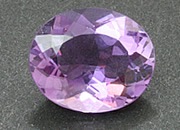 Amethyst
 - the most popular purple gem. It has a beautiful color and reasonable price.
Opal Photos
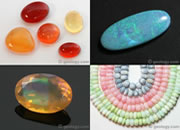 Pictures of Opal
 A collection of different types of opal from all around the world and Mars too!
Moonstone
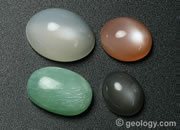 Moonstone
 is one of the world*s most popular gems. A soft glow of light floats under its surface.
Geology of Gems
 Geology of Gems
 - The first comprehensive book on the geology of gem deposits.
Emerald
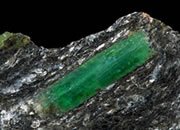 Emerald
 is the most popular green gemstone in the United States and most of the world.
Gifts That Rock
 Gifts That Rock
 - What are the most popular gift items in the Geology.com store?
Turquoise
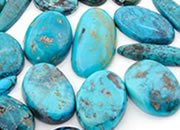 Turquoise
 A blue to bluish- green gem material that has been used for over 6000 years.
Strawberry Quartz
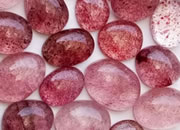 Strawberry Quartz
 is a red to pink quartz with inclusions that look like strawberry seeds.
Ammolite
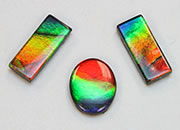 Ammolite
 is a fossil and a gemstone. It is shell material from fossil ammonites.
Blood Diamonds
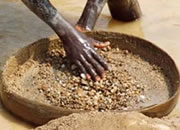 Blood Diamonds
 Illegally-traded diamonds that may have been stolen or used to fund conflict.
Aquamarine
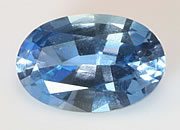 Aquamarine
 is a popular blue gemstone that serves as a birthstone for the month of March.
Labradorite
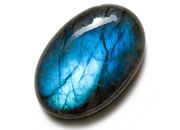 Labradorite
 is a feldspar gem that can produce bright flashes of iridescent color.
Peridot
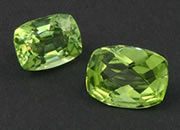 Peridot
 is the gem variety of olivine. Derived from the mantle and rarely from meteorites.
Geodes
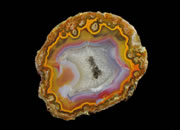 Geodes
 look like ordinary rocks on the outside but can be spectacular inside!
Ruby and Sapphire
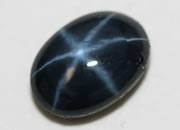 Ruby & Sapphire
 are gem corundums - ruby when red, sapphire when other colors.
Strontium Titanate
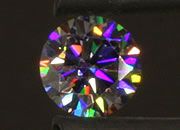 Strontium Titanate
 - lab created diamond simulant with fire much stronger than diamond.
Green Diamonds
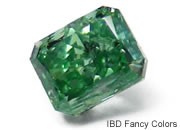 Green Diamonds
 - one of the rarest and most valuable diamond colors.
Topaz
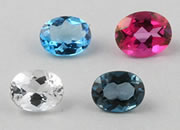 Topaz
Topaz is a popular birthstone and the #8 mineral in the Mohs Hardness Scale.
Hardness Picks
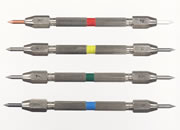 Hardness Picks
 - Mohs hardness testing with precise and easy-to-use hardness picks.
Cat*s Eye Gems
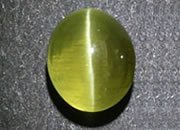 Cat*s Eye Gems
 look like the eye of a cat. They have a line of light that moves across the gem.
Spodumene
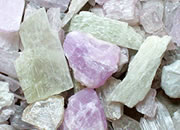 Spodumene
 is an ore of lithium and the mineral of the gems kunzite and hiddenite.
What Is Jade?
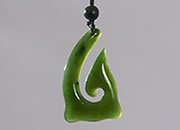 Jade
Jade has been used as a gemstone and a tool-making material for for 1000s of years.
Citrine
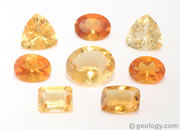 Citrine
 is the transparent variety of quartz with a yellow to orange to reddish color.
Garnet
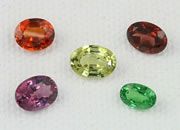 Garnet
 is best known as a red gemstone. It occurs in any color and has many industrial uses.
Star Garnet
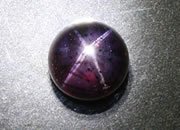 Star Garnets
 are found in only a few locations worldwide. They are the state gems of Idaho.
Goldstone
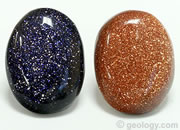 Goldstone
 is a colorful man-made glass that is full of highly-reflective metallic inclusions.
Benitoite
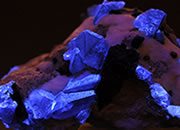 Benitoite
 - Geology of the State Gem of California - USGS report from 1911.
Yellow Diamonds
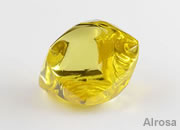 Yellow Diamonds
 are the most valuable yellow gems and the 2nd most common fancy diamond.
Ant Hill Garnets
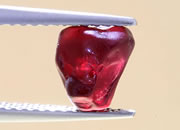 Ant Hill Garnets
 - tiny gems that ants haul to the surface and discard on their anthill. Honest!
Kyanite
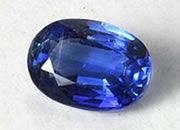 Kyanite
 is a metamorphic mineral used to make porcelain, abrasive products and gems.
Cabochons
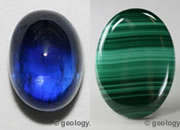 Cabochons
 A photo gallery of cabochon gemstones from around the world.
Lapis Lazuli
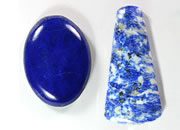 Lapis Lazuli
 - a metamorphic rock and the most popular blue opaque gemstone in history.
Colored Diamonds
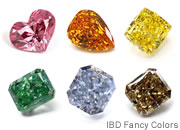 Colored Diamonds
 are diamonds with a noticeable body color. They can sell for over $1M/carat.
Magnesite
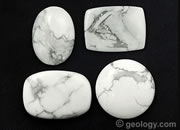 Magnesite
 is a white mineral that is often dyed to imitate turquoise or dyed outrageous colors for fun.
Fire Opal
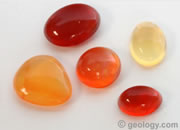 Fire Opal
 is a transparent to translucent opal with a yellow, orange or red background color.
Diamond Producers
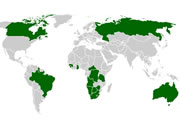 Diamonds
 are mined in many countries and their relative importance changes frequently.
Tanzanite
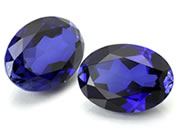 Tanzanite
 was unknown until a few decades ago but it has erupted into wide popularity.
Tourmaline
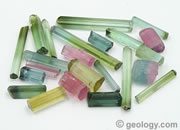 Tourmaline
 - the most colorful mineral and natural gem material on Earth.
Malachite
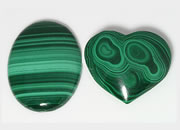 Malachite
 has served as a gem material, pigment and ore of copper for thousands of years.
Petrified Wood
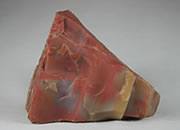 Petrified Wood
 is a fossilized wood that often serves as a colorful gem material.
Jet
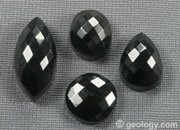 Jet
Jet is a black organic gem material that forms from well-preserved woody material.
Red Beryl
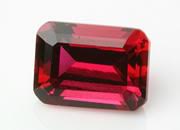 Red Beryl
 is one of the rarest gems. Small amounts are mined at one locality in Utah.
Organic Gems
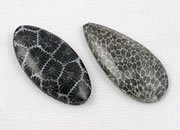 Organic Gems
 are gems formed from plant or animal materials.
Aventurine
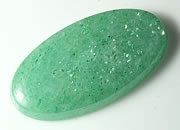 Aventurine
 - a translucent quartz with reflective inclusions that cause aventurescence.
Fire Agate
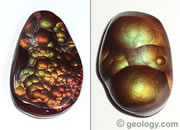 Fire Agate
 is a rare brown agate that exhibits iridescent colors of red, orange, yellow and green.
Charoite
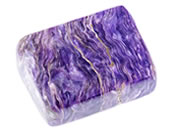 Charoite
 is a rare purple mineral from Russia used as a gem material and ornamental stone.
Zircon
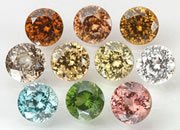 Zircon
 is a popular and colorful gem with fire and brightness that rivals diamond.
Rock Tumbling
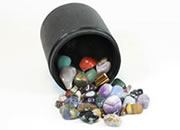 Rock Tumblers
 - All about rock tumblers and rock tumbling. Read before you buy a tumbler.
Opalite
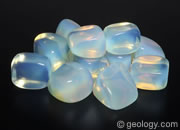 Opalite
 is a word that can refer to either common opal or a man-made opalescent material.
Rhodochrosite
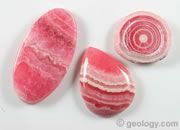 Rhodochrosite
 : a manganese mineral used as an ore, a pink gem and an ornamental stone.
Lab-Grown Diamonds
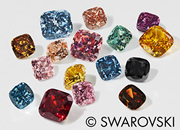 Lab-Grown Diamonds
 What are they? Can people really make diamonds? Are they real?
Goshenite
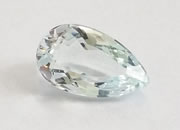 Goshenite
 is the colorless variety of the mineral beryl and a gem of interest mainly to collectors.
Smoky Quartz
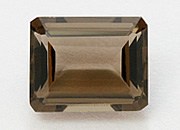 Smoky Quartz
 - A brown color-variety of the mineral quartz often cut as a gem.
Zoisite
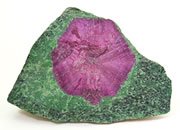 Zoisite
 is a diverse gem. Tanzanite, thulite and anyolite are three of its gem varieties.
Ametrine
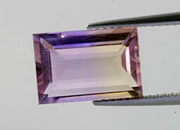 Ametrine
 is a bicolor quartz (amethyst + citrine) and a gemstone of growing popularity.
Rose Quartz
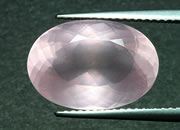 Rose Quartz
 is the name used for specimens of translucent quartz with a pink color.
Morganite
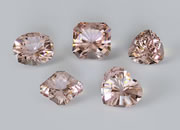 Morganite
 is an orange to pink gemstone, a variety of beryl, that is growing rapidly in popularity.
Unakite
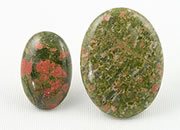 Unakite
 A gem material composed of green epidote and pink orthoclase.
Fancy Sapphire
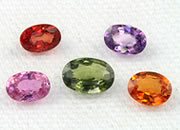 Fancy Sapphires
 are gem corundums of any color other than red, blue or colorless.
Gem Beryl
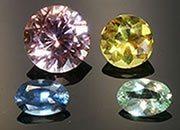 Beryl
Beryl - the mineral of emerald, aquamarine, morganite, heliodor, goshenite, and more.
Petrified Palm
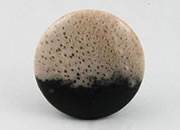 Petrified Palm
 is often confused with petrified wood. It is a distinctly different material.
Titanite aka Sphene
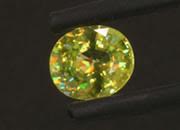 Titanite
 is also known as sphene. It is a minor source of titanium and a minor gem.
Gem Silica
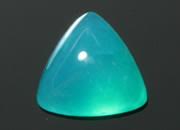 Gem Silica
 is a blue chalcedony colored by copper. It is the rarest and most valuable chalcedony.
Apatite
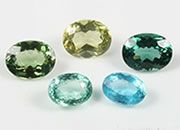 Apatite
 produces gemstones with vivid colors and is popular with collectors.
Tiffany Stone
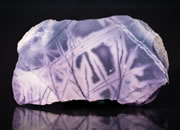 Tiffany Stone
 is a rare purple, blue and white rock, mined in Utah, and used as a gem.
Blue Topaz
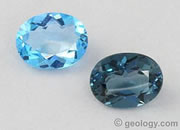 Blue Topaz
 - The most popular topaz for jewelry. The color is usually a product of treatment.
Chrysoprase
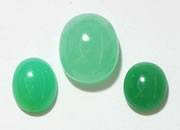 Chrysoprase
 - The translucent green variety of chalcedony that is colored by nickel.
Scapolite
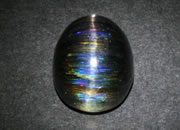 Scapolite
 can be a pretty faceted stone or a translucent cab with cats-eye effects.
Helenite
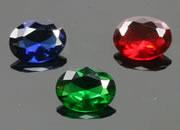 Helenite
 is a man-made glass produced by fusing ash from the 1980 Mount St. Helens eruption.
Common Opal
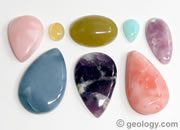 Common Opal
 is a material that does not exhibit the play-of-color seen in precious opal.
Cat's-Eye Opal
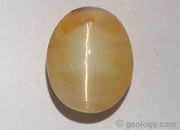 Cat's-Eye Opal
 - a phenomenal opal that exhibits chatoyance when properly cut en cabochon.
Azurmalachite
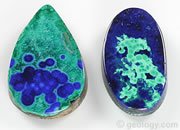 Azurmalachite
 is a mixture of malachite and azurite. It can be a beautiful blue and green gem.
Chrysoberyl
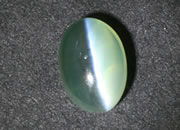 Chrysoberyl
 an extreme gem. Its hardness is 8.5, can display chatoyance or color-change.
Moldavite
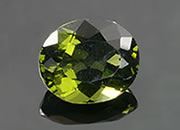 Moldavite
 is a gem material born about 15 million years ago when a pair of asteroids struck Europe.
Serpentine
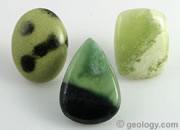 Serpentine
 - a group of metamorphic minerals used as gems and architectural stone.
Imitation Opal
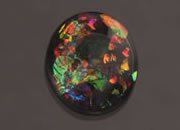 Imitation Opal
 is man-made and looks like opal, but without the same composition or structure.
Sugilite
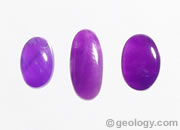 Sugilite
 is a rare mineral and a gemstone best known for its vibrant pink to purple color.
Diopside
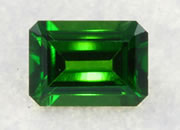 Chrome Diopside
 is a green gemstone that is often used as an alternative stone for emerald.
Rhodonite
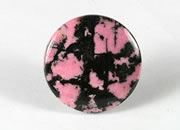 Rhodonite
 is a pink manganese silicate used as a gemstone, an ornamental stone and an ore.
Opalized Wood
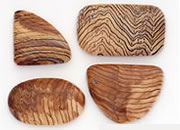 Opalized Wood
 is a gem material consisting of wood that has been replaced by opaline silica.
Heliodor
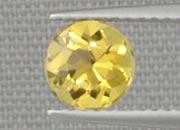 Heliodor
 is a yellow, greenish-yellow or golden yellow beryl used as a gem.
Maw Sit Sit
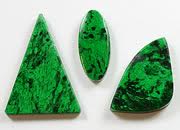 Maw Sit Sit
 is a metamorphic rock and a gem material that was once thought be jade.
Bloodstone
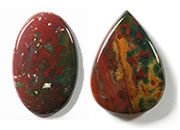 Bloodstone
 is a dark green jasper with a splatter of red color that looks like blood.
Morado Opal
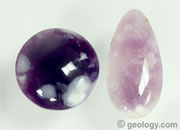 Morado Opal
 is a purple variety of common opal which is found in central Mexico.
Variscite
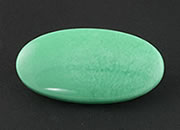 Variscite
 is a yellowish green to bluish green mineral. It is similar to turquoise and cut as a gem.
Andalusite
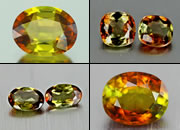 Andalusite
 is a metamorphic mineral and a strongly pleochroic gem material.
Brown Diamonds
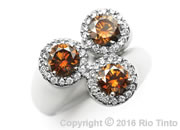 Brown Diamonds
 are growing in popularity and are frequently seen in fashion jewelry.
Peanut Wood?
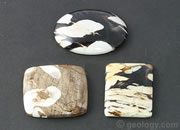 Peanut Wood?
 Yes! It is a very interesting gem material found in Western Australia.
K2 Granite
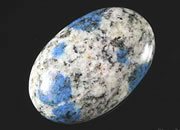 K2 Granite
 is a white granite with blue orbs of azurite. It is a new gem material from Pakistan.
Azurite
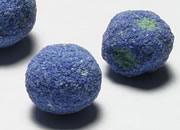 Azurite
 is a vivid blue copper mineral that can be cut into beautiful cabochon gems.
Synthetic Opal
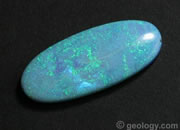 Synthetic Opal
 is a man-made material with the play-of-color and appearance of natural opal.
Gaspeite
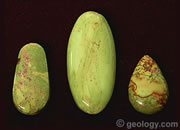 Gaspeite
 is a rare green ore of nickel that has become a popular gem in southwestern jewelry.
Iris Agate
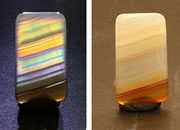 Iris Agate
 can produce a rainbow of colors when light passes between its thin bands.
Hemimorphite
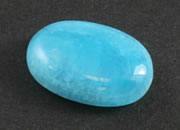 Hemimorphite
 is an ore of zinc that can often be cut into gems with spectacular blue color.
Sunstone
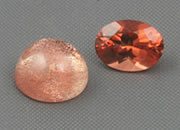 Sunstone
 A feldspar with aventurescence caused by tiny copper inclusions.
Iolite
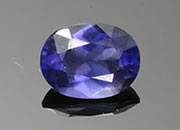 Iolite
 is the gem variety of the mineral cordierite. An alternative to sapphire and tanzanite.
Geology Tools
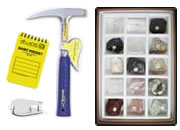 Geology Tools
 - Rock hammers, field bags, hand lenses, maps, hardness picks, gold pans.
Smithsonite
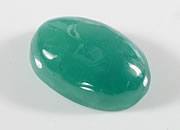 Smithsonite
 is a zinc carbonate mineral, an ore of zinc, and a minor gemstone.
Sonora Sunrise
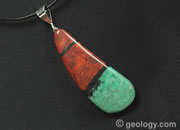 Sonora Sunrise
 is a gem material of Mexico composed of red cuprite and blue-green chrysocolla.
Turritella Agate
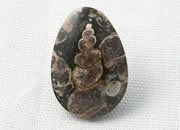 Turritella Agate
 is a brown agate containing snail fossils from the Green River Formation.
Polka Dot Agate
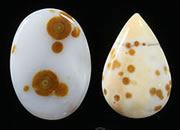 Polka Dot Agate
 - a translucent blue to white agate with a suspension of colorful dots.
Prasiolite
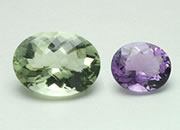 Prasiolite
 is amethyst that has been heat-treated to a leek-green color.
Lepidolite
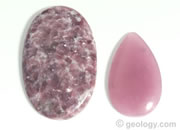 Lepidolite
 - a pink to purple mica sometimes used as a gem. A source of color in pink aventurine.